If you've been on a quest for luscious locks and a healthy scalp, you're in the right place. In the world of hair restoration, sulfate-free shampoos emerge as the gentle heroes we've all been waiting for. Bid farewell to the harsh chemicals that strip your strands of their natural glory. In this blog, we will unravel the secrets behind sulfate-free shampoo for damaged hair. From understanding the science behind sulfates to discovering the nurturing power of sulfate-free alternatives, embark on a journey to revive and rejuvenate your tresses. It's time to embrace the gentle solution for a mane that speaks volumes!
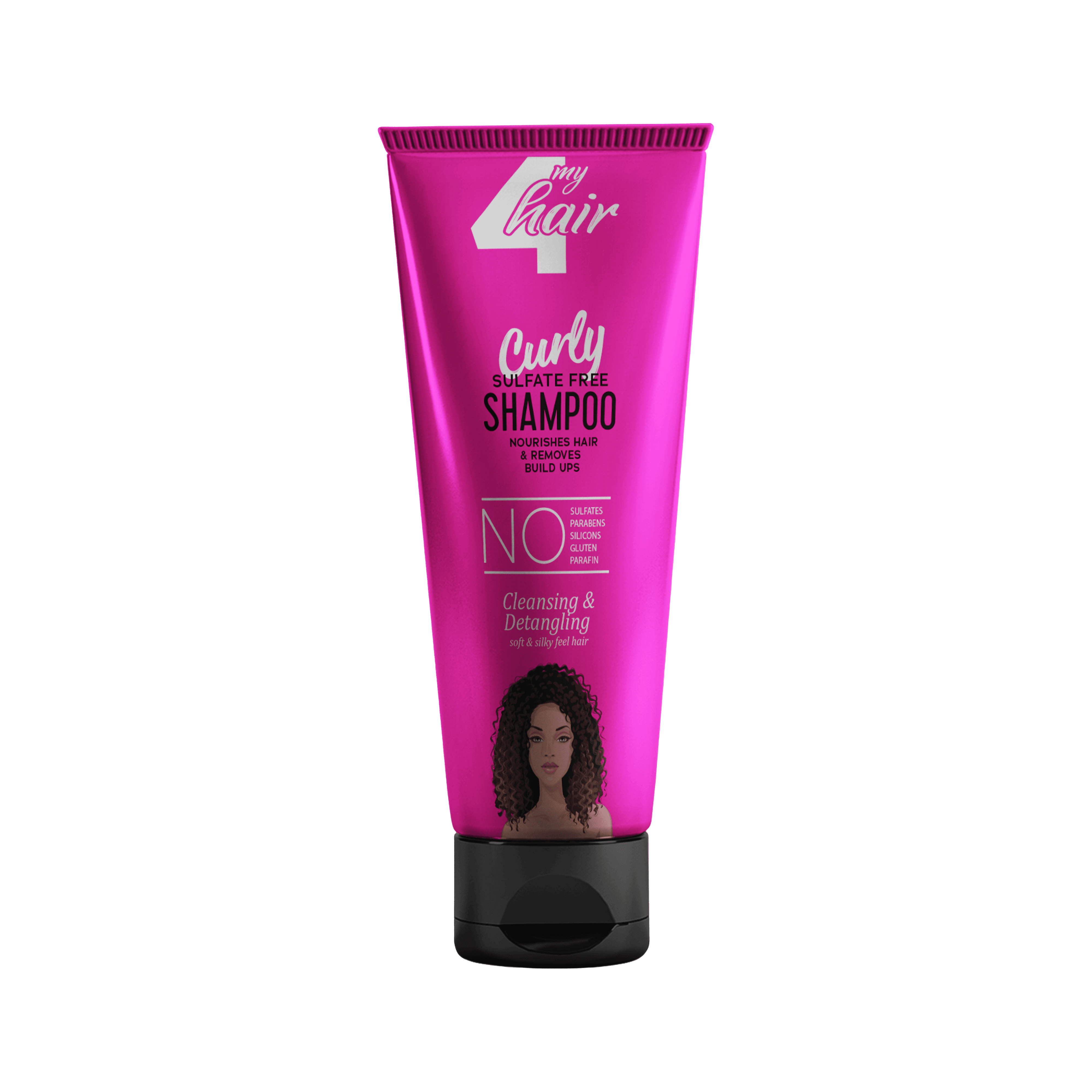
Sulfates, such as sodium lauryl sulfate (SLS) and sodium laureth sulfate (SLES), are known to strip the hair of its natural oils, leaving it dry and prone to breakage. These harsh chemicals can also irritate the scalp and cause dandruff or scalp dryness. For individuals with damaged or chemically treated hair, sulfates can further exacerbate the existing damage and hinder the hair's ability to repair itself.
Benefits of Using Sulphate-free Shampoos
1. Gentle Cleansing: Sulfate-free shampoos offer a milder cleaning experience, eliminating the risk of further damage to already compromised hair. Formulated without sulfates, these shampoos provide a gentle yet effective cleanse.
2. Restoration of Natural Oils: Unlike traditional shampoos, sulfate-free alternatives help retain the hair's natural oils. This prevents excessive dryness and breakage, promoting healthier, more resilient strands.
3. Reduced Scalp Irritation: Individuals with sensitive scalps or conditions like eczema and psoriasis can benefit from sulfate-free shampoos. These formulations are less likely to cause irritation, fostering a soothing and comfortable hair care experience.
4. Chemical-Free Assurance: Sulfate-free shampoo for damaged hair often goes beyond eliminating sulfates. They are frequently free of other harmful chemicals such as parabens and phthalates, ensuring a safer and healthier choice for your hair.
Make the switch to sulfate-free shampoos and experience a holistic approach to hair care. Embrace the restoration of your hair's health and vitality without compromising on cleanliness or subjecting your scalp to unnecessary irritants. Your tresses deserve the gentle care sulfate-free shampoos provide.
How Sulphate-free Shampoos Work to Revive and Restore Damaged Hair
Sulphate-free shampoos work differently than their traditional counterparts. Instead of relying on harsh cleansing agents, they utilize milder surfactants that gently cleanse the hair without stripping away its natural oils. These gentle surfactants help to maintain the hair's moisture balance, preventing dryness and promoting healthier hair growth.
In addition to their cleansing properties, sulfate-free shampoos often contain nourishing ingredients that help to revive and restore damaged hair. Ingredients like argan oil, shea butter, and aloe vera provide deep hydration and repair damaged strands. They also help to improve the overall texture and manageability of the hair, making it easier to style and reducing frizz.
Key Ingredients to Look for in Sulphate-free Shampoos
When choosing a sulfate-free shampoo for damaged hair, it is important to look for key ingredients that will help revive and restore your locks. Some essential ingredients to consider include:
Argan oil: Rich in vitamins and antioxidants, argan oil nourishes and hydrates the hair, promoting shine and reducing frizz.
Shea butter: Known for its moisturizing properties, shea butter helps to repair and protect damaged hair, leaving it soft and manageable.
Aloe vera: Aloe vera soothes the scalp and promotes healthy hair growth. It also has conditioning properties that help to strengthen the hair and prevent breakage.
Keratin: As a protein naturally found in the hair, keratin helps to rebuild and strengthen damaged strands, improving their elasticity and overall health.
By choosing a sulfate-free shampoo that contains these key ingredients, you can ensure that your damaged hair receives the nourishment it needs to thrive.
Tips for Using Sulphate-free Shampoos Effectively
To get the most out of your sulfate-free shampoo and maximize its benefits for damaged hair, it is important to follow these tips:
1. Use lukewarm water: Avoid using hot water, as it can strip the hair of its natural oils and cause further damage. Opt for lukewarm water instead, which will help to maintain the hair's moisture balance.
2. Massage the scalp: When shampooing, take the time to massage the scalp gently. This will encourage healthy hair growth and aid in increasing blood flow.
3. Rinse thoroughly: Ensure that you rinse your hair thoroughly to remove any product residue. Leaving shampoo or conditioner in the hair can weigh it down and make it appear greasy.
4. Follow up with a conditioner: After shampooing, always use a conditioner to hydrate and nourish the hair. Look for a sulfate-free conditioner that complements your shampoo for optimal results.
DIY Recipes for Sulphate-free Hair Masks and Treatments
If you prefer a more natural approach to hair care, you can create your own sulfate-free hair masks and treatments using simple ingredients found in your kitchen. Here are a few DIY recipes to try:
Avocado and Honey Hair Mask: Mash one ripe avocado and mix it with two tablespoons of honey. Wet hair and apply the mixture, paying special attention to the ends. After letting it sit for half an hour, give it a good rinse. This mask helps to nourish and moisturize damaged hair.
Coconut Milk and Olive Oil Hair Treatment: Combine half a cup of coconut milk with two tablespoons of olive oil. Apply the mixture to clean, damp hair and leave it on for 1-2 hours. Rinse thoroughly and enjoy the deep conditioning benefits of this treatment.
Banana and Yogurt Hair Mask: Blend one ripe banana with half a cup of plain yogurt until smooth. Covering the hair from root to tip, apply the mixture. Use it for half an hour and then give it a good rinse. This mask aids in repairing and strengthening damaged hair.
Conclusion
Leave-in conditioner for hair is a game-changer when it comes to caring for damaged hair. By understanding the damaging effects of sulfates and the benefits of sulfate-free alternatives, you can make an informed decision that will promote healthier and more vibrant hair. Look for key ingredients that nourish and repair damaged strands, and follow the tips for using sulfate-free shampoos effectively. Whether you choose a top-rated product or opt for a DIY treatment, embracing the power of sulfate-free shampoos is a step towards restoring and reviving your damaged locks. Say goodbye to dryness, breakage, and dullness – and hello to beautiful, healthy hair.
Comments
Post a Comment